No out of pocket costs. We assist you in filing your claim and arranging the pickup of your vehicle! We come to you. Get your vehicle in for repairs today.
Please fill your information so we can get in touch with you.
🔒 We always safeguard your information and never share it. Explore our privacy policy here.
Dillon Hail Repair is here to pickup your vehicle, provide loaner vehicle assistance and waive your deductible.

With comprehensive insurance, you receive complete protection against incidents such as hail damage. In Texas, it is legally prohibited to increase your insurance rates due to a hail claim, which is categorized as an “act of God.”
Contact your insurance provider to initiate the claim process. Our representatives will assist you in filing the claim, and your insurance company will verify your uthorization to choose Dillon Hail Repair as your preferred repair facility.
Dillon Hail Repair requires a copy of your Driver's License and insurance policy card. You have the option to upload the documents here or contact us to speak with one of our representatives.
Our driver will help schedule your rental and pick up your vehicle at our Lewisville, TX location. As a top-rated hail repair company in Texas, we focus on personal connections and exceptional service with word-of-mouth referrals.
Allow us to demonstrate why customers have chosen Dillon Hail Repair. Our objective is to streamline the repair experience and provide exceptional quality work for every vehicle entrusted to our facility.





Our goal is to assist and support customers who have experienced the unfortunate event of hail damage to their vehicles. We understand the stress and inconvenience that comes with such incidents, which is why we have streamlined the repair process to make it seamless and hassle-free.
Our commitment to delivering high-quality repairs has propelled us to become the
top-rated Paintless Hail and Dent Removal Company in the region.
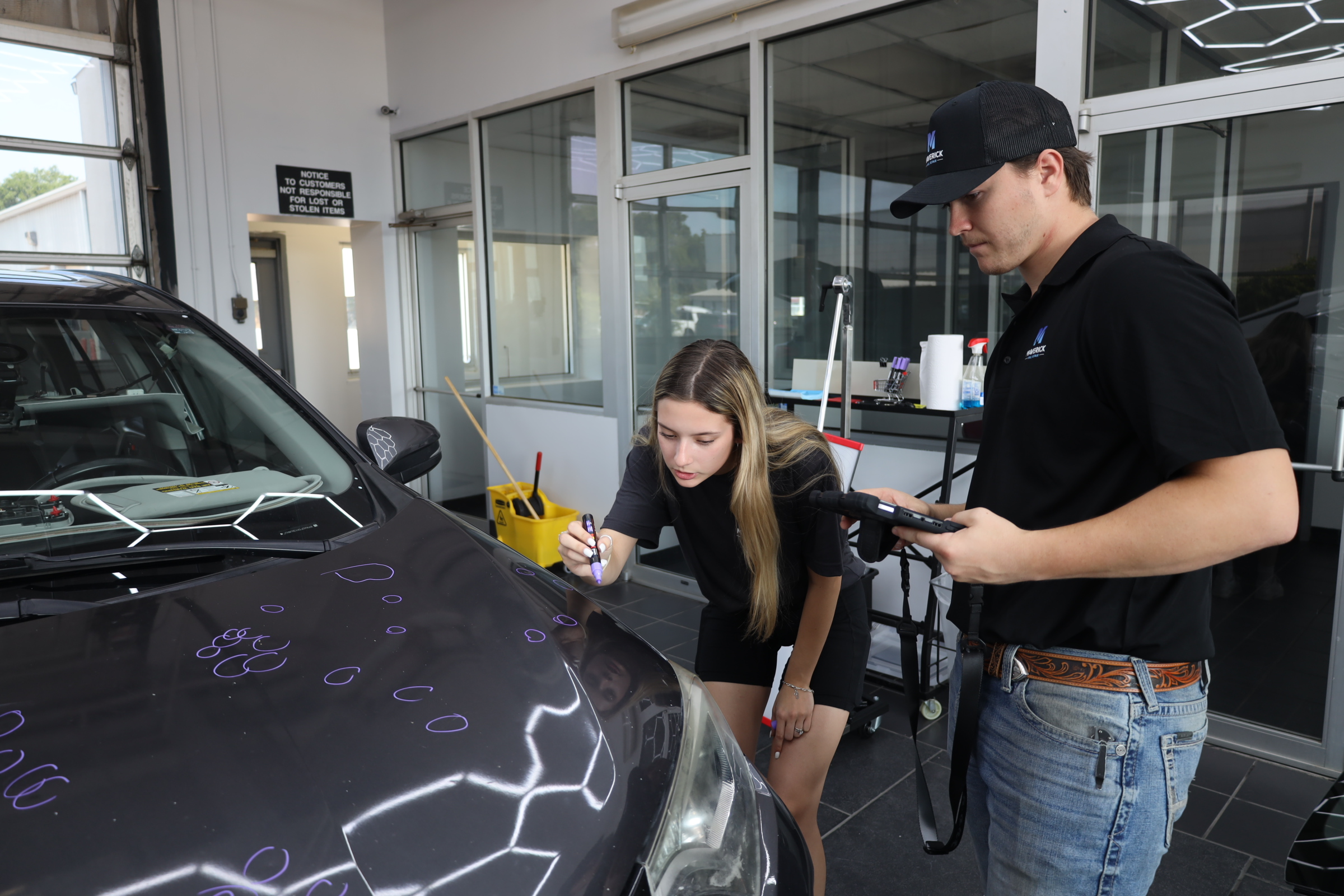
We offers a range of benefits when it comes to repairing hail damage after a storm. These skilled technicians specialize in paintless dent repair (PDR), providing a cost-effective and efficient solution for restoring your vehicle’s exterior. Here are some key advantages of choosing Dillon Hail Repair for hail damage repair:
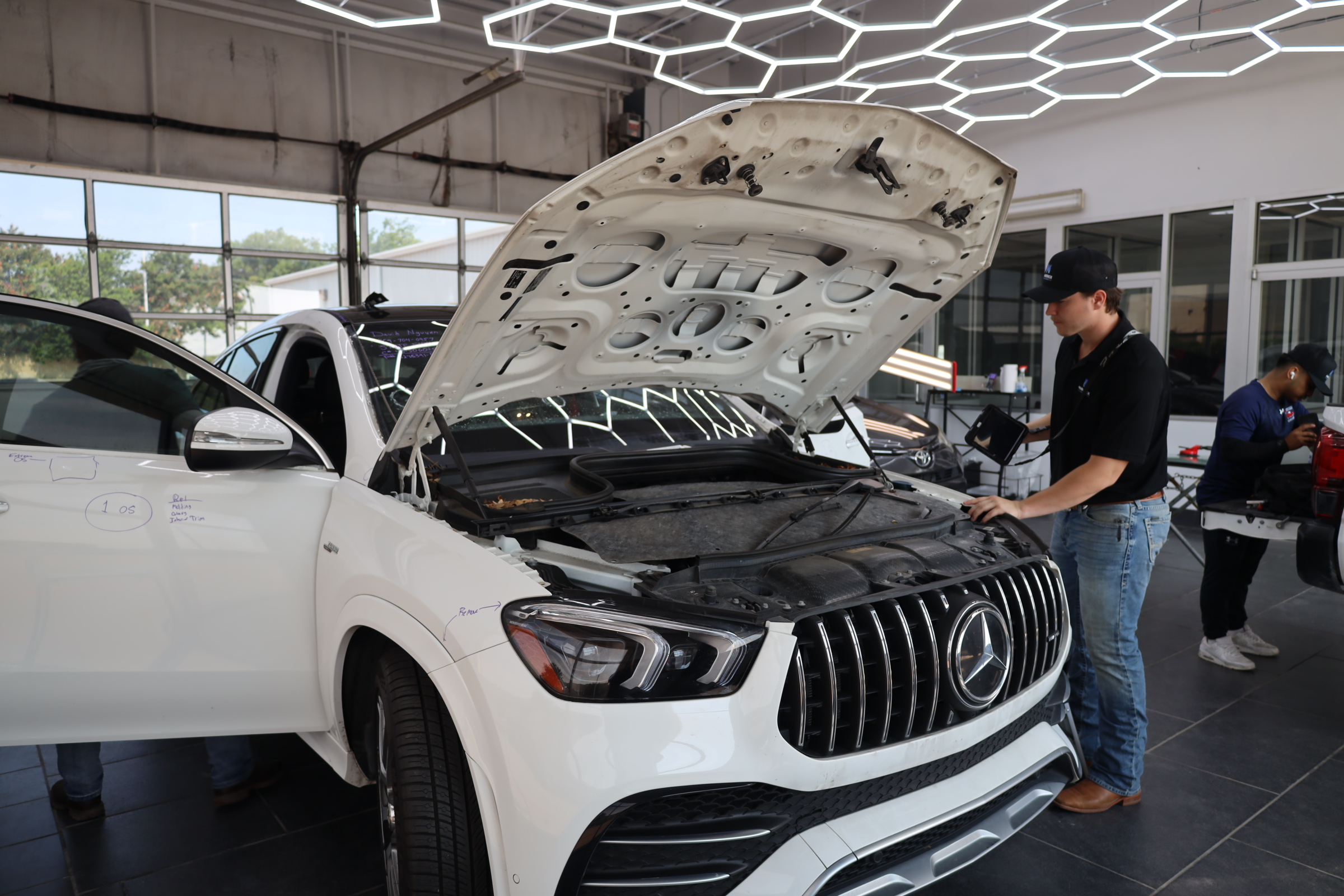
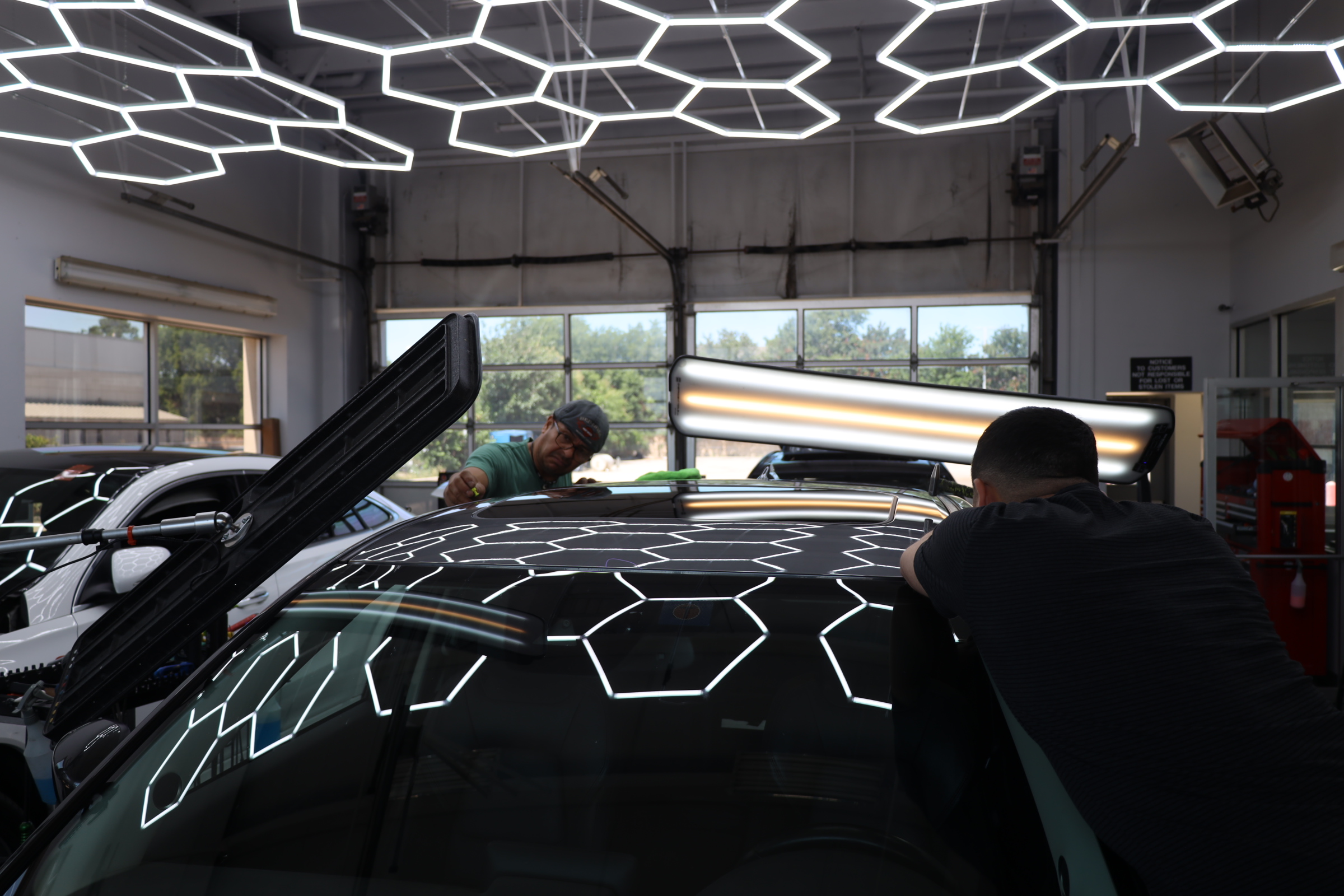
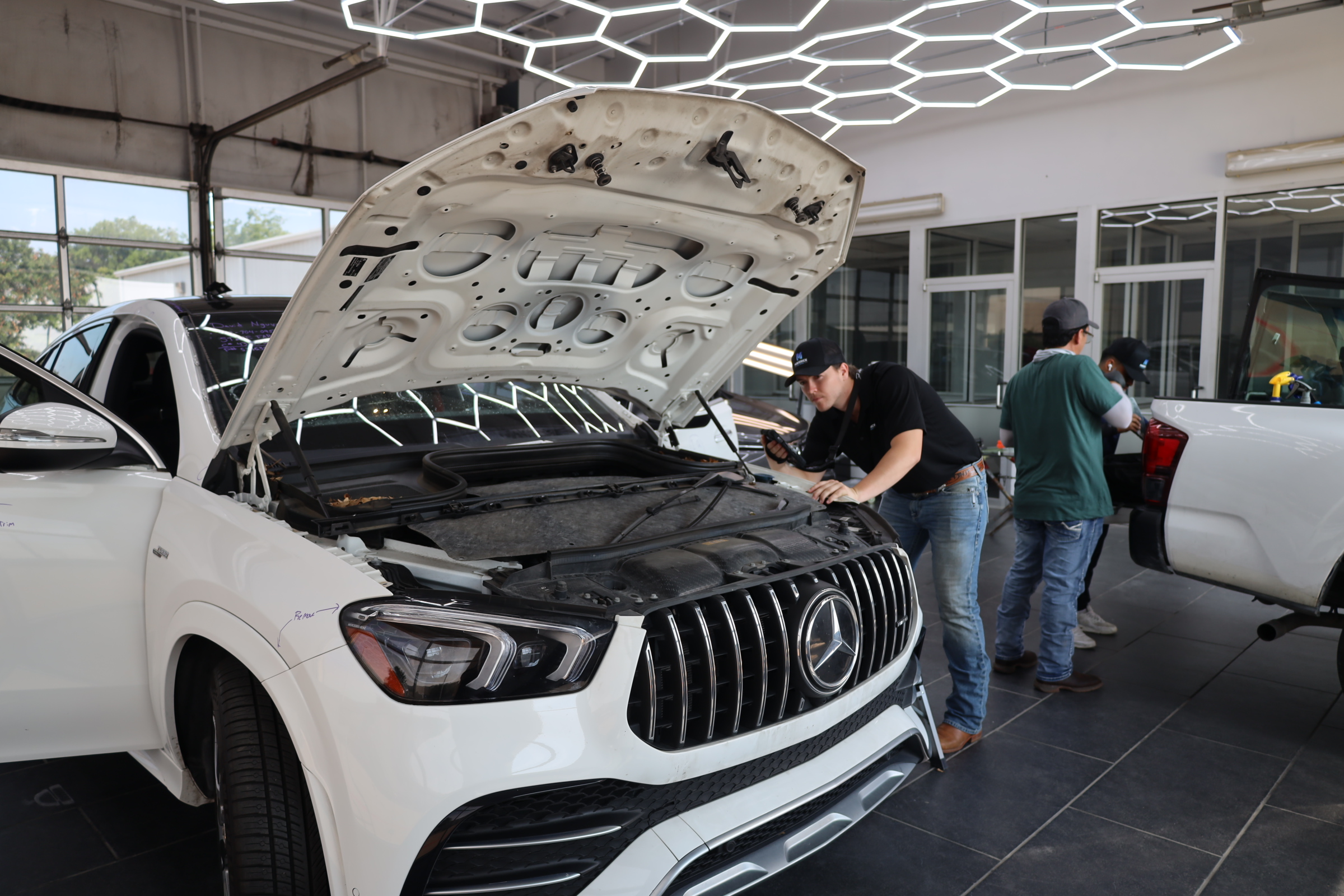
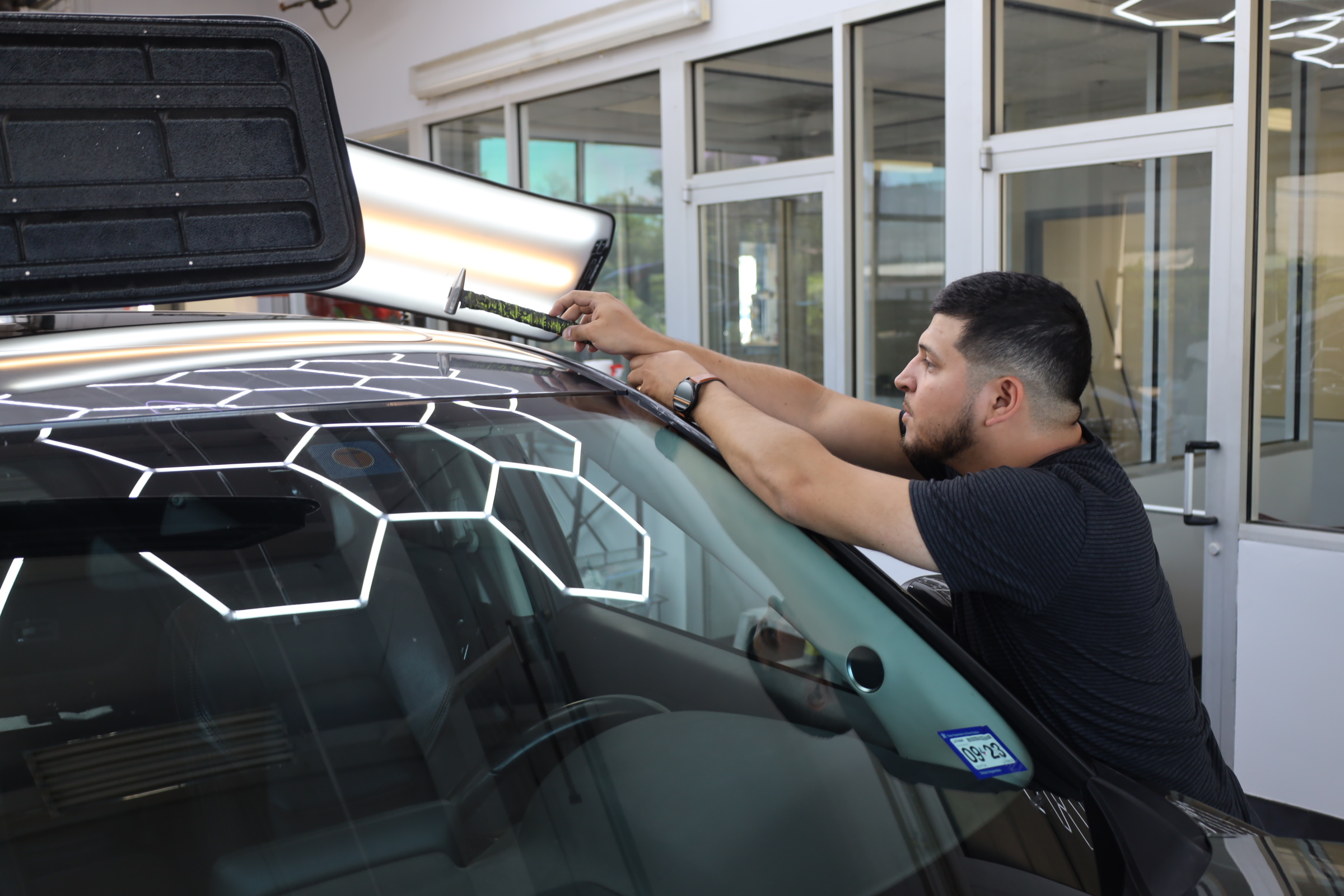
Dillon Hail Repair technicians are highly trained and experienced in the art of PDR. We have the necessary skills to assess the extent of the hail damage and employ precise techniques to gently massage out the dents, restoring the surface to its original condition. With our expertise, you can trust that your vehicle will receive meticulous attention and a flawless repair.
Repairing hail damage with Dillon Hail Repair can save you money compared to traditional repair methods. PDR eliminates the need for expensive materials and extensive labor associated with conventional bodywork. Since there is no requirement for repainting or replacing parts, you avoid additional costs, making Dillon Hail Repair a cost-effective choice for hail damage restoration.
With Dillon Hail Repair, you can have your vehicle repaired and back on the road quickly. PDR techniques allow technicians to access the dents from behind the panel, reducing the time needed for repairs. Unlike traditional methods that involve sanding, filling, and repainting, PDR simplifies the process, resulting in faster turnaround times and minimizing disruption to your daily routine.
By opting for PDR with Dillon Hail Repair, you can maintain the value of your vehicle. The original factory paint finish is preserved, ensuring a seamless repair that matches the rest of the vehicle's exterior. This attention to detail helps retain the car's resale value, as traditional repairs that involve repainting can diminish the overall appearance and reduce its market worth.
Dillon Hail Repair understands the insurance process and can assist you in navigating the claims procedure. We have experience working with insurance companies and can provide the necessary documentation and support to streamline your claim. By choosing Dillon Hail Repair, you can have peace of mind knowing that the repair process will be smooth and efficient, with minimal effort on your part.
With years of experience in the industry, we have honed our skills and techniques to deliver exceptional hail damage repair.
Our commitment to excellence is evident in the quality of our work.
We stay updated with the latest advancements in repair technology.
Dealing with hail damage can be stressful, but we aim to make the repair process as smooth as possible.
We understand the importance of getting your vehicle back on the road quickly.
At Dillon Hail Repair, you're not just another customer – you're a valued member of our community.
Your satisfaction is our ultimate goal. We measure our success by the smiles on our customers' faces when they see their repaired vehicles.
We believe in open and honest communication.
We care about the environment and practice responsible disposal of materials.
Not only can you benefit from our exceptional repairs, but you can also earn by referring friends and family to our trusted team.
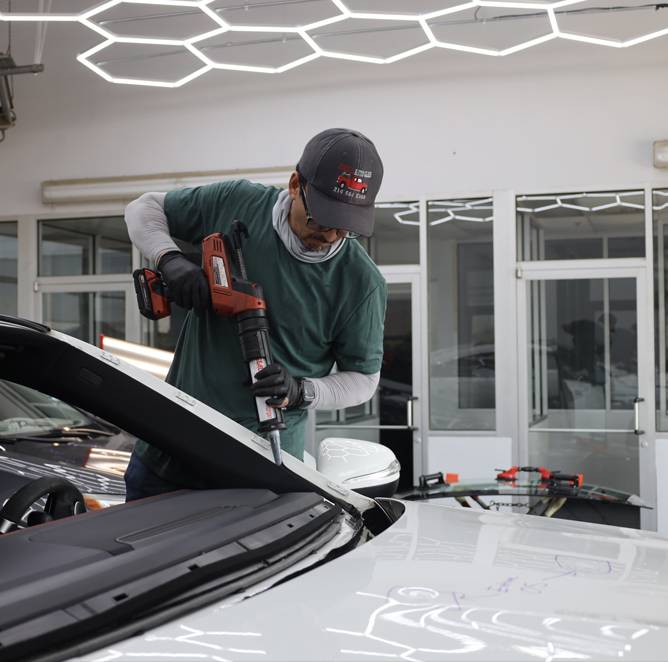
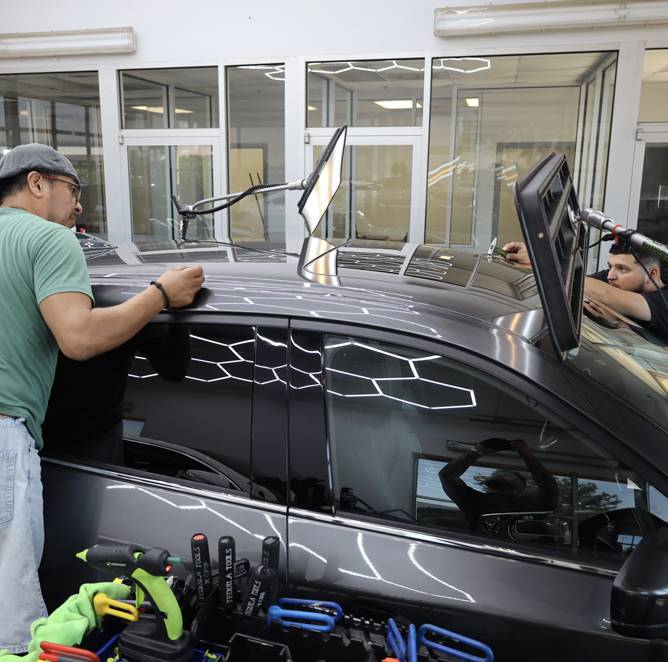
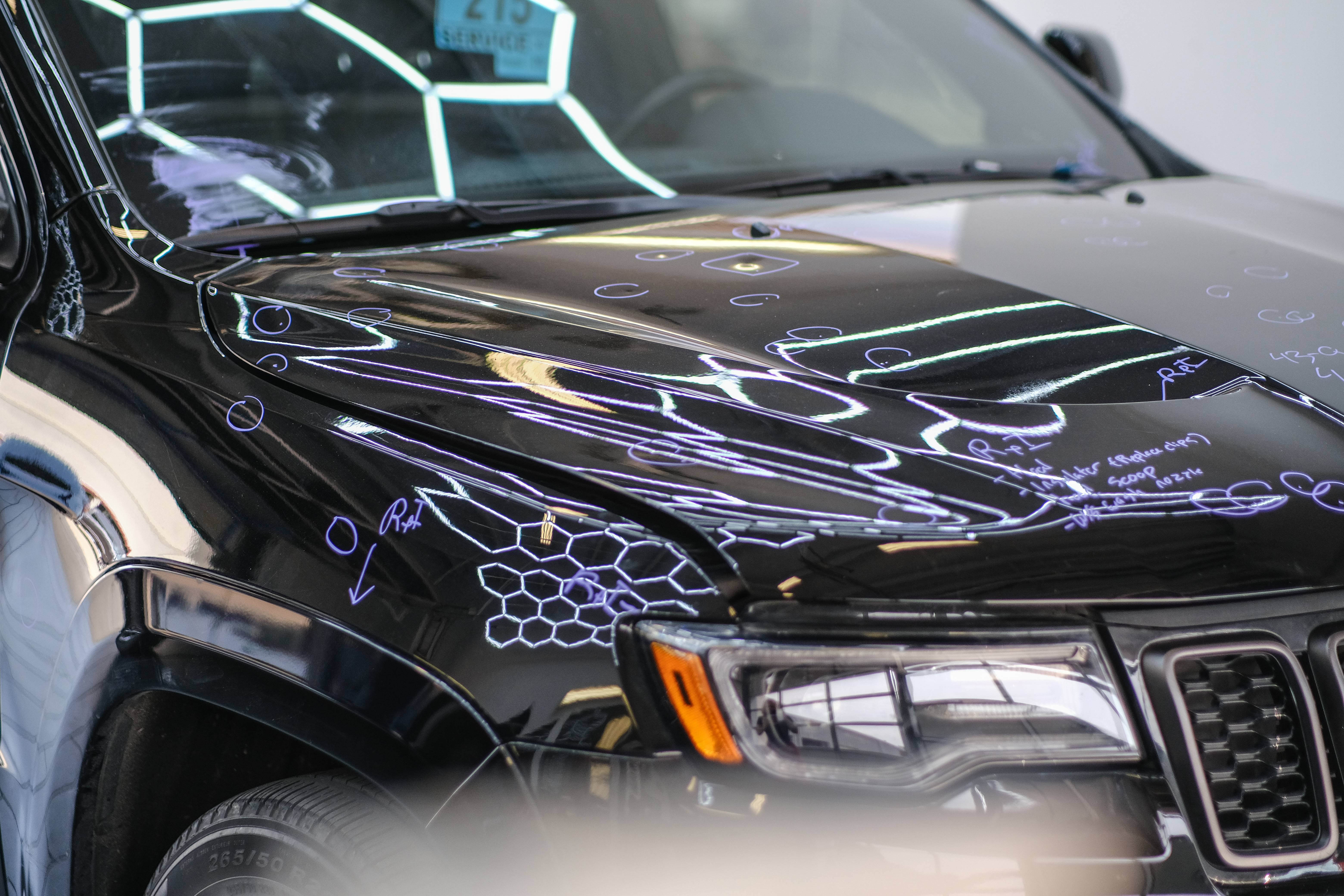
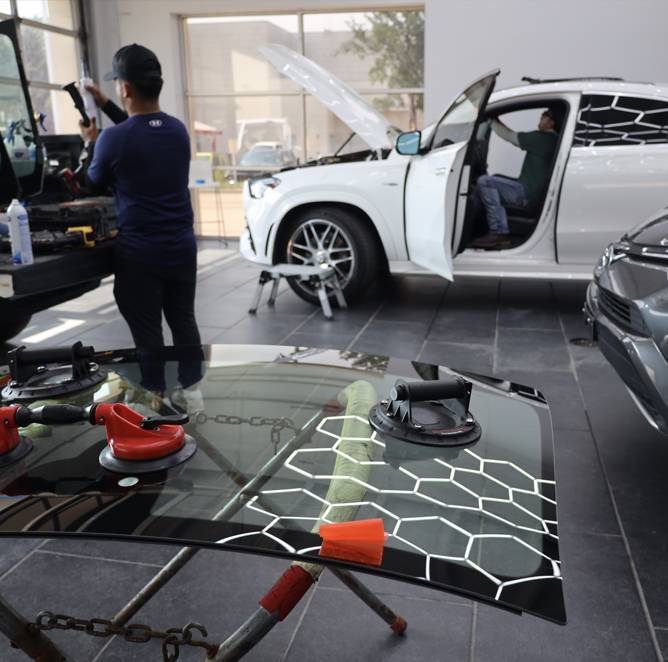
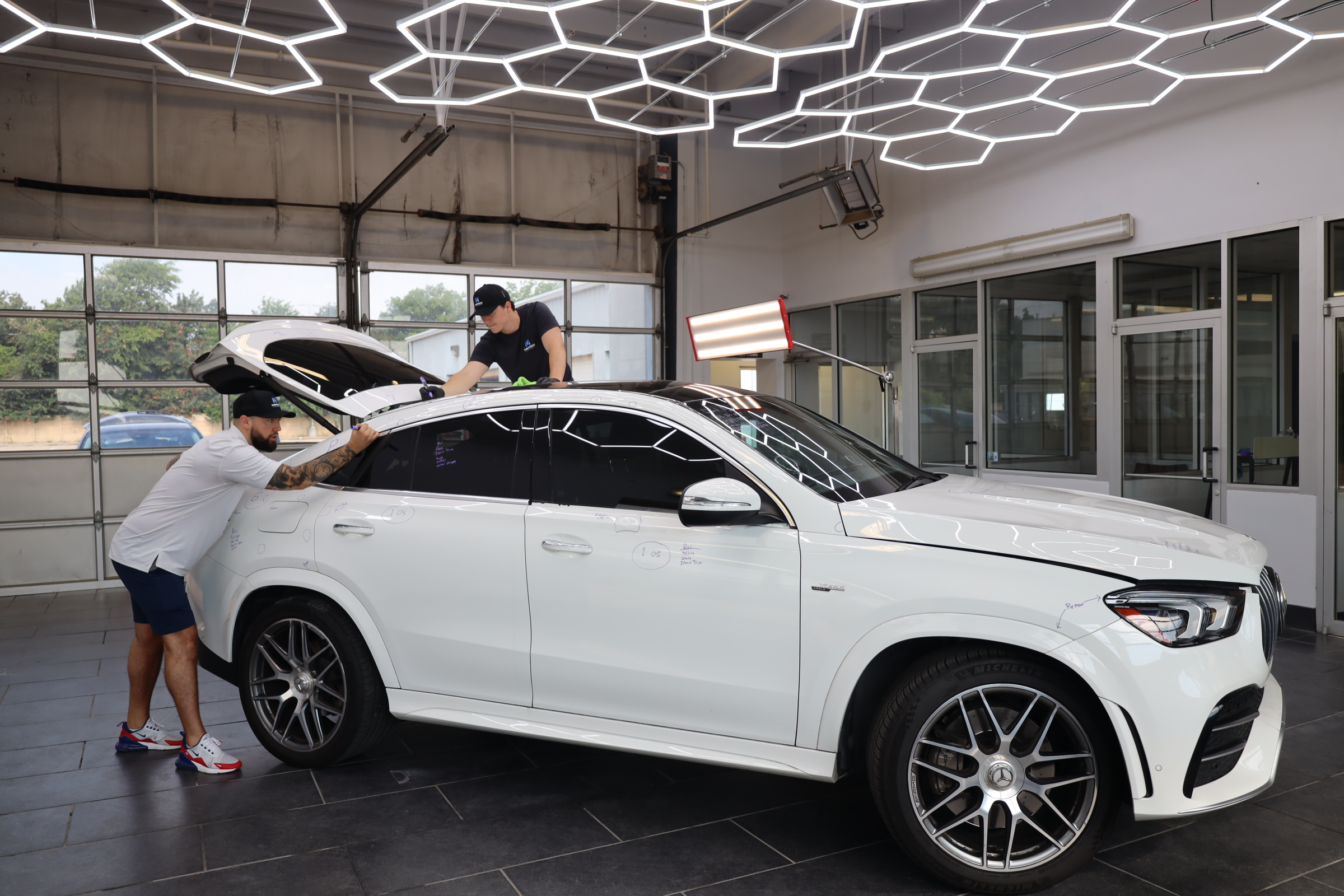
We are ensuring that your hail damage repair is in expert hands. With years of experience and extensive expertise, our skilled technicians possess the necessary knowledge and skills to deliver exceptional results. We take pride in our team’s proficiency and commitment to providing top-notch repair services. When you choose Dillon Hail Repair, you can have confidence that your vehicle will receive meticulous craftsmanship and precise attention to detail. Our technicians are among the finest in the industry, dedicated to restoring your vehicle to its pre-damaged condition with unparalleled expertise.
At Dillon Hail Repair, we take great pride in earning the trust of our customers. With our meticulous attention to detail and unwavering commitment to doing the job right, we have proudly maintained an A+ rating with the Better Business Bureau. Our dedication to excellence is reflected in our consistently high rankings and positive online reviews. We are driven to provide the highest level of customer service in our industry.

Copyright © Dillonhailrepair | All Rights Reserved | Privacy Policy